Free webinar: Discover the eHaus Difference - Join us on 20 August, 7-8pm. Register here: https://ehaus.co.nz/events/discover-the-ehaus-difference
Free webinar: Discover the eHaus Difference - Join us on 20 August, 7-8pm. Register here: https://ehaus.co.nz/events/discover-the-ehaus-difference
Free webinar: Discover the eHaus Difference - Join us on 20 August, 7-8pm. Register here: https://ehaus.co.nz/events/discover-the-ehaus-difference
Free webinar: Discover the eHaus Difference - Join us on 20 August, 7-8pm. Register here: https://ehaus.co.nz/events/discover-the-ehaus-difference
Free webinar: Discover the eHaus Difference - Join us on 20 August, 7-8pm. Register here: https://ehaus.co.nz/events/discover-the-ehaus-difference
Free webinar: Discover the eHaus Difference - Join us on 20 August, 7-8pm. Register here: https://ehaus.co.nz/events/discover-the-ehaus-difference
Free webinar: Discover the eHaus Difference - Join us on 20 August, 7-8pm. Register here: https://ehaus.co.nz/events/discover-the-ehaus-difference
Free webinar: Discover the eHaus Difference - Join us on 20 August, 7-8pm. Register here: https://ehaus.co.nz/events/discover-the-ehaus-difference
Free webinar: Discover the eHaus Difference - Join us on 20 August, 7-8pm. Register here: https://ehaus.co.nz/events/discover-the-ehaus-difference
Free webinar: Discover the eHaus Difference - Join us on 20 August, 7-8pm. Register here: https://ehaus.co.nz/events/discover-the-ehaus-difference
Free webinar: Discover the eHaus Difference - Join us on 20 August, 7-8pm. Register here: https://ehaus.co.nz/events/discover-the-ehaus-difference
Free webinar: Discover the eHaus Difference - Join us on 20 August, 7-8pm. Register here: https://ehaus.co.nz/events/discover-the-ehaus-difference
22 December 2025
Kiwis are rethinking the way we build
Across New Zealand, more people are rethinking what it means to build a good home and questioning whether “meeting code” is really good enough. Rising energy costs, growing environmental awareness, changes to the H1 regulations, and the desire for greater comfort are all driving a shift towards homes that perform better than the minimum building code.
When we talk about ‘performance’ in a building, we’re talking about how energy efficient, comfortable, and healthy it is to live in.
Building to the code is still the norm in New Zealand, but it’s worth remembering that the code sets the worst standard you’re legally allowed to build to, not the best. Code-built homes can be cold, damp, and expensive to heat, whereas high-performing homes are designed with comfort, energy efficiency, and sustainability in mind.
To take a high performing home to the next level, there is Passive House certification which is the most rigorous and widely respected energy efficiency standards in the world. Passive House has proven that conserving energy in buildings is relatively straightforward when they’re designed and built to require minimal energy from the outset. These homes go beyond simply being energy efficient though. To earn the Passive House certification, they must meet rigorous performance standards.
Passive House, which began in Germany in the 1990s, has shaped a culture in Europe where energy efficiency, comfort, and sustainability are considered fundamental, not optional or niche. Austria alone has over 14,000 Passive House buildings, while New Zealand currently has just 186 certified completed or in progress projects according to the Sustainable Engineering database.
The European Union are aiming to decarbonise all building stock by 2050 through the European Union’s Energy Performance of Buildings Directive (EPBD). The EPBD introduces the concept of ‘zero-emission buildings’ (ZEBs) and requires all new public buildings to be ZEBs by the start of 2028, and all other new buildings by 2030. Included in the EPBD, is that all new residential buildings must be designed to optimise their solar power potential by the end of 2029, and by 2050, the aim is for all existing buildings to be ZEBs by way of deep renovation.
These changes will substantially change and improve the performance of European buildings, far surpassing our minimum standards here in NZ. In Europe, energy efficiency isn’t viewed as a luxury, instead it’s essential. It’s directly linked to energy security, climate action, and long-term affordability. Our minimum building code is well behind in thermal performance, airtightness, sustainability, and energy use expectations compared to European countries.
Sustainable, high performing homes are still fringe in New Zealand compared to European countries, however things are shifting. Thankfully more New Zealanders (and to some extent, the government) are rethinking building performance, and there has been a growing interest in high performing homes.
Awards like the Master Builders House of the Year are highlighting sustainability and impressive technical performance, with homes like Ahuru (a certified Passive House Plus in Waikato), Aokautere, and Lakeview showcasing energy savings, solar generation, and resilient materials while winning top accolades at a regional and national level. Master Builders CEO, Ankit Sharma, says “This year’s Top 100 [award winners] proves our members are continually lifting their game. From smart material choices and sustainable design to precision detailing, they are delivering excellence at every price point.”
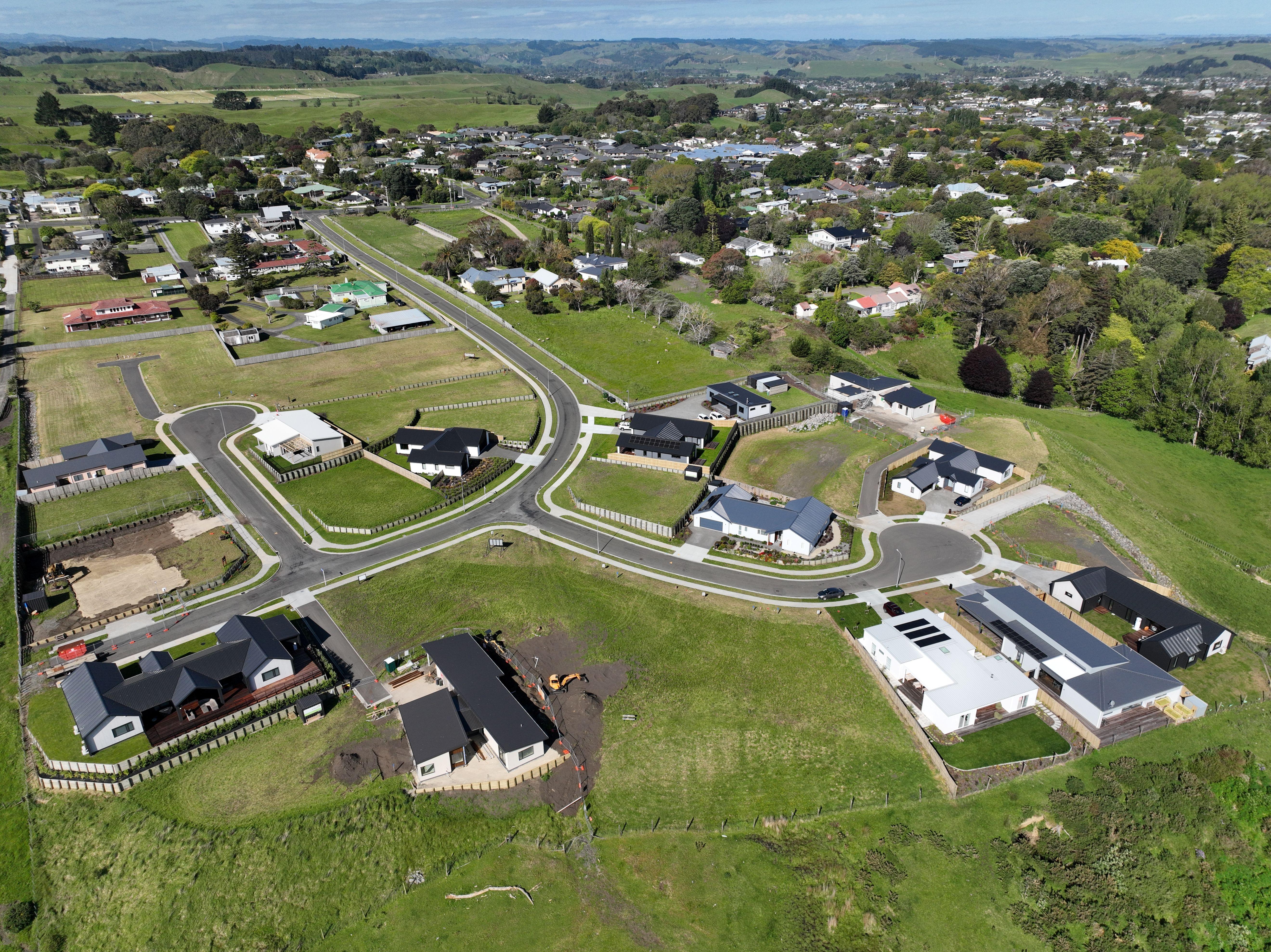
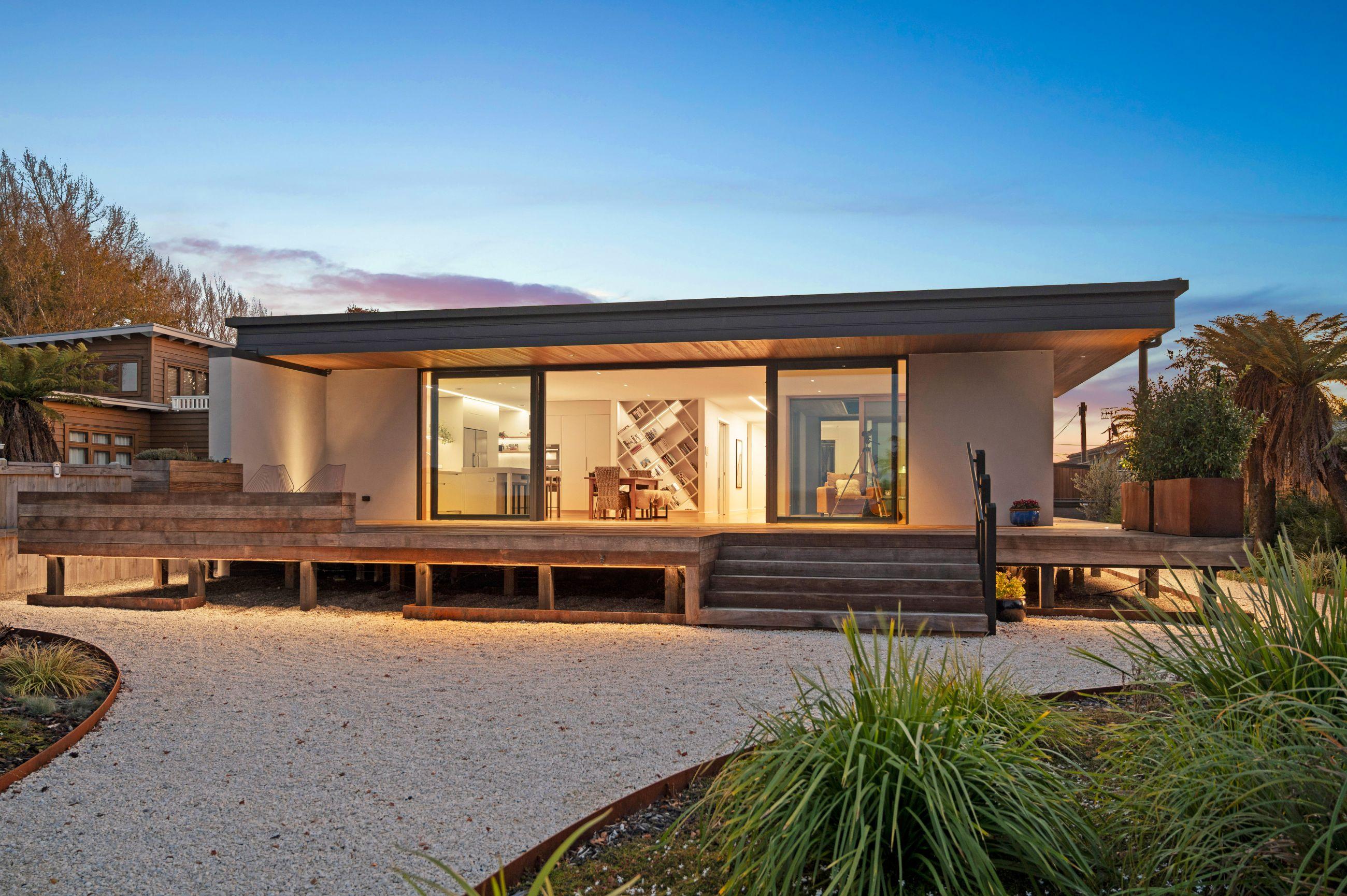
Tasman Estate proves that when high performance is made accessible, homeowners embrace it. This Whanganui subdivision, in partnership with eHaus Whanganui, is leading the charge in building high performing homes. At first glance, it looks just like any new subdivision with homes in construction and some residents already calling it home. This subdivision is bucking the trend though when it comes to house performance.
There are currently 16 homes either completed or in the design or construction phase, with more to come. 14 of those homeowners have chosen to build a high performing eHaus which will save the owners on average, 86% of heat energy costs.
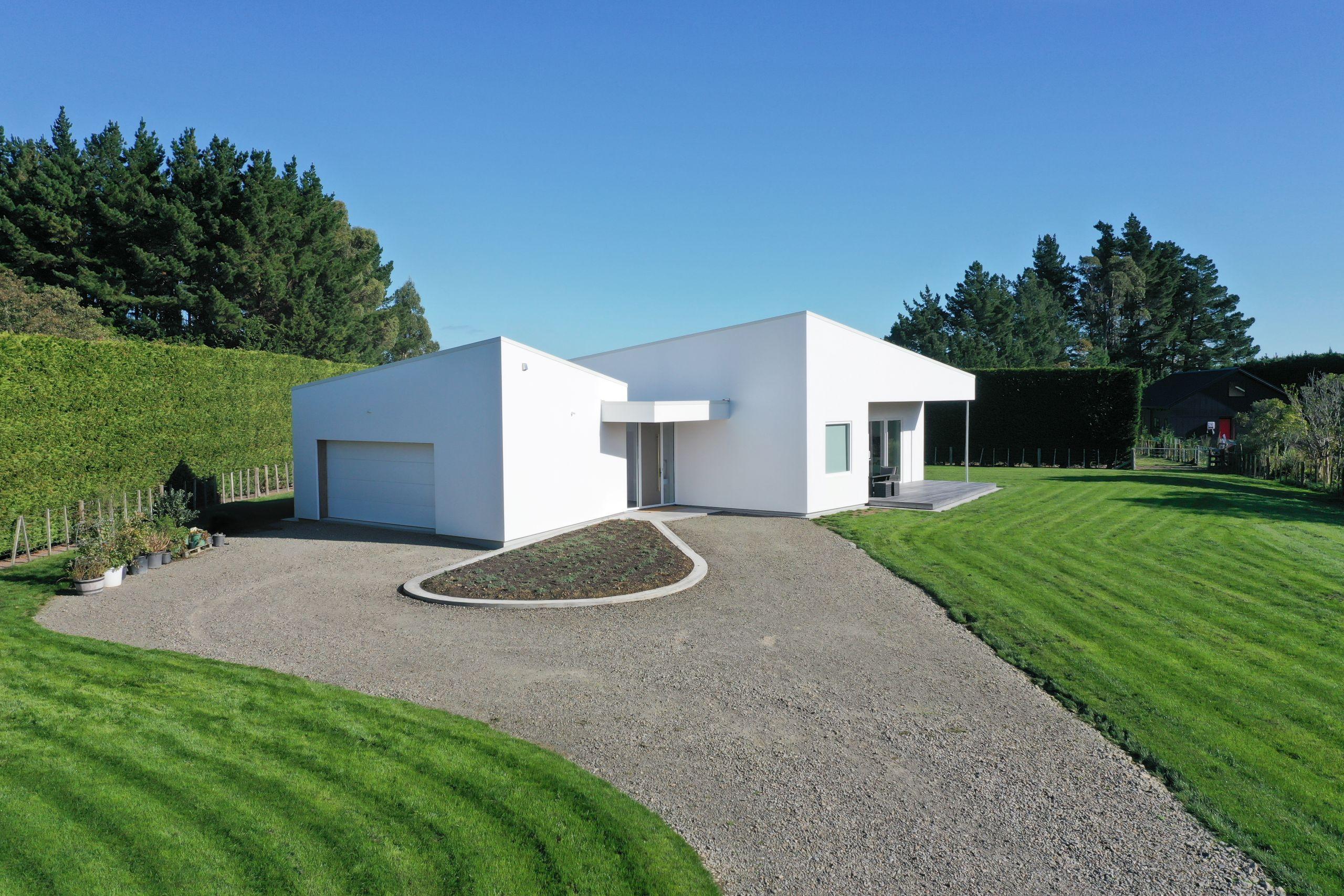
Wilf and Min Emmett moved into their high performing eHaus in Tasman Estate in March 2025. The couple have previously custom designed and built two homes on rural properties, each time improving the performance. Their second home built in 2008 included high performing materials ahead of their time. Wilf says, “We insulated it well and double glazed it before the rules for double glazing had come in, so we were trying to make it better than normal”.
With breathing issues, they wanted a home that was going to be warm and healthy as well as cheaper to live in, and knew they needed a high performing home to deliver that.
“It was very important as we get older that our house maintained warmth and looked after our health,” explains Wilf.
He adds “I was also looking for a cheap style of living. Once you’ve paid the initial [build] costs, it’s a very cheap way to live because you don’t have to heat it to be comfortable. Our heat pump doesn’t go on very often. We just take it easy now.”
The advice the couple give to others who are considering building a high performing home: “Go for it! It’s a whole lot warmer, it’s a lot quieter. We just love it,” Min says. Wilf adds “You’ve got to design to the sun and light. The same as any other house, you rely on warmth from the sun.” And if you’re downsizing, “put a lot of attention into cupboards!”
Tasman Estate is leading the way and showing the rest of the country what’s achievable when comfort, energy efficiency, and sustainability are made a priority from the outset.
“It’s been incredible to see so many families here choosing to build better,” says Simon Penn, owner of eHaus Whanganui. “People that are coming to us aren’t just focused on square metres or finishes anymore, now they’re asking how their home will perform and what's possible for their budget. Homeowners are much more informed and are genuinely interested in health, comfort and long-term value.”
More subdivisions like Tasman Estate are needed around New Zealand to improve our housing stock, boost energy efficiency and sustainability, and enhance the health of those living within them. The building science, technology, and materials to build high-performing homes already exist. What’s needed now is the willingness across the wider industry to follow Tasman Estate’s lead, and for New Zealand to foster a culture where high performance is the norm, not the exception.
Europe has shown what can be achieved when performance is a priority. If we want homes that serve New Zealanders, now and long into the future, along with the environment, it starts with communities like Tasman Estate.
More News

eHaus Showcase Mag
Download our Showcase Magazine to explore 15 of our sustainable, architecturally designed homes.