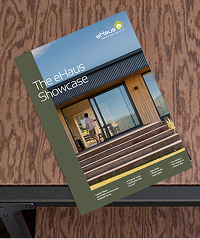
Free webinar: Discover the eHaus Difference - Join us on 20 August, 7-8pm. Register here: https://ehaus.co.nz/events/discover-the-ehaus-difference
Free webinar: Discover the eHaus Difference - Join us on 20 August, 7-8pm. Register here: https://ehaus.co.nz/events/discover-the-ehaus-difference
Free webinar: Discover the eHaus Difference - Join us on 20 August, 7-8pm. Register here: https://ehaus.co.nz/events/discover-the-ehaus-difference
Free webinar: Discover the eHaus Difference - Join us on 20 August, 7-8pm. Register here: https://ehaus.co.nz/events/discover-the-ehaus-difference
Free webinar: Discover the eHaus Difference - Join us on 20 August, 7-8pm. Register here: https://ehaus.co.nz/events/discover-the-ehaus-difference
Free webinar: Discover the eHaus Difference - Join us on 20 August, 7-8pm. Register here: https://ehaus.co.nz/events/discover-the-ehaus-difference
Free webinar: Discover the eHaus Difference - Join us on 20 August, 7-8pm. Register here: https://ehaus.co.nz/events/discover-the-ehaus-difference
Free webinar: Discover the eHaus Difference - Join us on 20 August, 7-8pm. Register here: https://ehaus.co.nz/events/discover-the-ehaus-difference
Free webinar: Discover the eHaus Difference - Join us on 20 August, 7-8pm. Register here: https://ehaus.co.nz/events/discover-the-ehaus-difference
Free webinar: Discover the eHaus Difference - Join us on 20 August, 7-8pm. Register here: https://ehaus.co.nz/events/discover-the-ehaus-difference
Free webinar: Discover the eHaus Difference - Join us on 20 August, 7-8pm. Register here: https://ehaus.co.nz/events/discover-the-ehaus-difference
Free webinar: Discover the eHaus Difference - Join us on 20 August, 7-8pm. Register here: https://ehaus.co.nz/events/discover-the-ehaus-difference
Passive House:
The international
Performance Standard
A Passive House is an energy-efficient home built, tested and certified to an internationally recognised building standard.
Enjoy life in your passive house
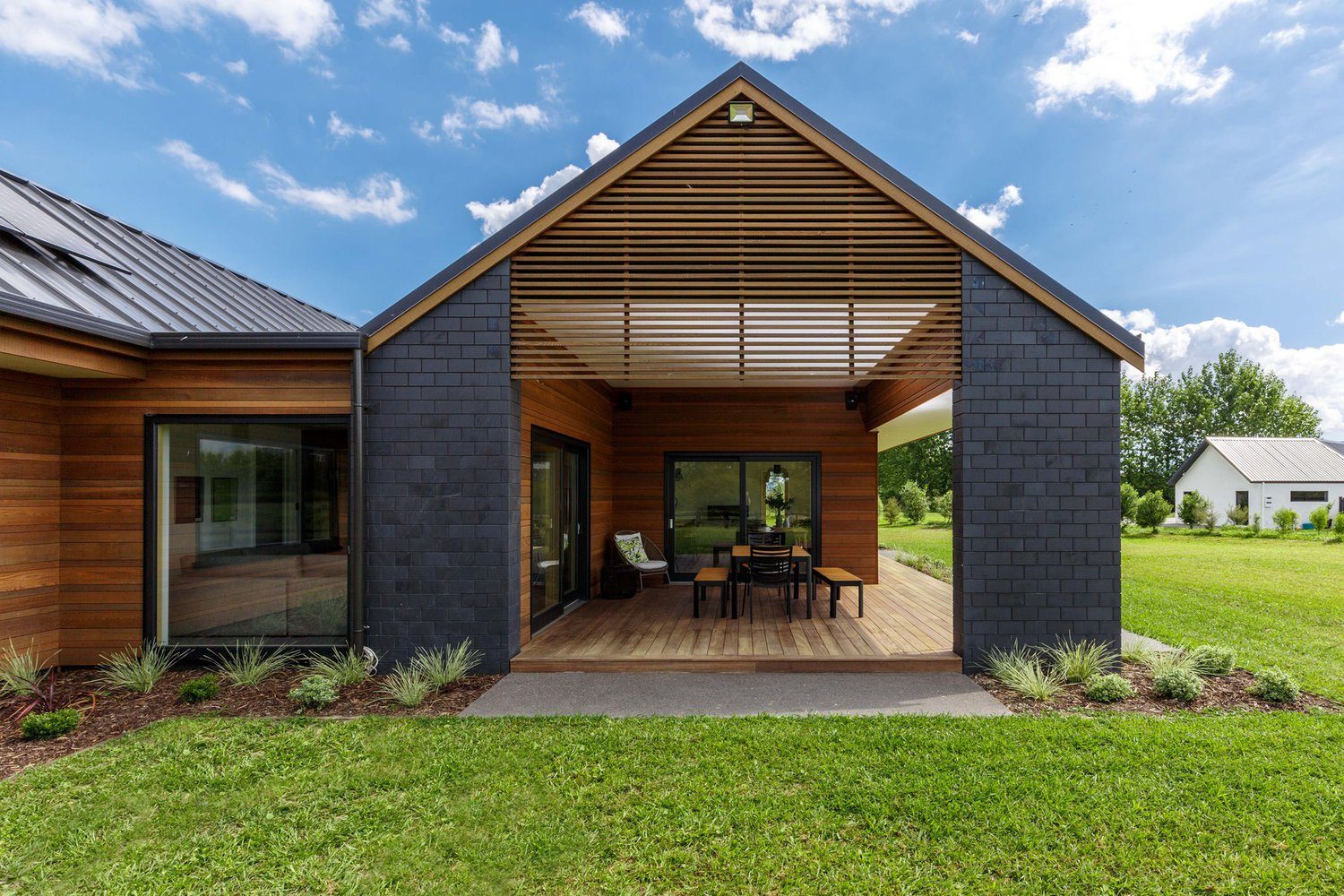
Certified Passive Houses use up to 90% less energy for heating and cooling compared to conventional homes. What’s more, they’re designed for optimal indoor air quality, consistent temperatures, and superior insulation, contributing to a healthier living environment. Passive House certification can even make your home more appealing when it comes time to sell.

Passive House saves carbon by minimising the energy needed for heating and cooling. A Certified Passive House can save over 4000kg of carbon per year compared to a standard New Zealand home.
Passive House Features
Comfort in every room
Constant temperature technology means that you can live in every room of an eHaus no matter the season. Every room is designed to operate between 20–25°c all year round.
Dry air that’s easier to heat
We use MHRV - Mechanical Heat Recovery Ventilation systems that work efficiently in the background so you can breathe fresh air and stay warm while using less energy.
Fresh clean air for a healthier life
Bridge-free design prevents heat loss by eliminating weak points in the building structure.
Insulation matched to your climate
We use the right amount of insulation to match your regional climate. With a fully insulated slab, eHaus’ are made to keep more heat in, like a thermos flask.
Outside noise reduced to a whisper
eHaus’ are built airtight to stop draughts and air leaks, saving you money and creating a beautiful, quiet space to enjoy.
Dry windows, sills and doors
Fitted with thermally efficient Low E & Argon gas windows that eliminate condensation, draughts and mould. Double or triple glazing also captures free solar energy and reduces heat loss.
Better thermal performance
A Passive House is designed with no thermal bridges - one of the most significant sources of energy loss within a building. By minimise this escape you'll save energy.
Accurate energy modelling
Every eHaus is measured to international standards and modelled using PHPP software. This allows us to see the impact of any design decisions on performance while it’s still on the plans.
Lower energy bills
A Passive House maintains a minimum temperature of 20°c using up to 15kWh per m2 for an entire year. Comparatively, a typical NZ standard code-built home would require at least 120kWh per m2 to maintain a similar temperature for a year.
What is involved in
Passive House certification?
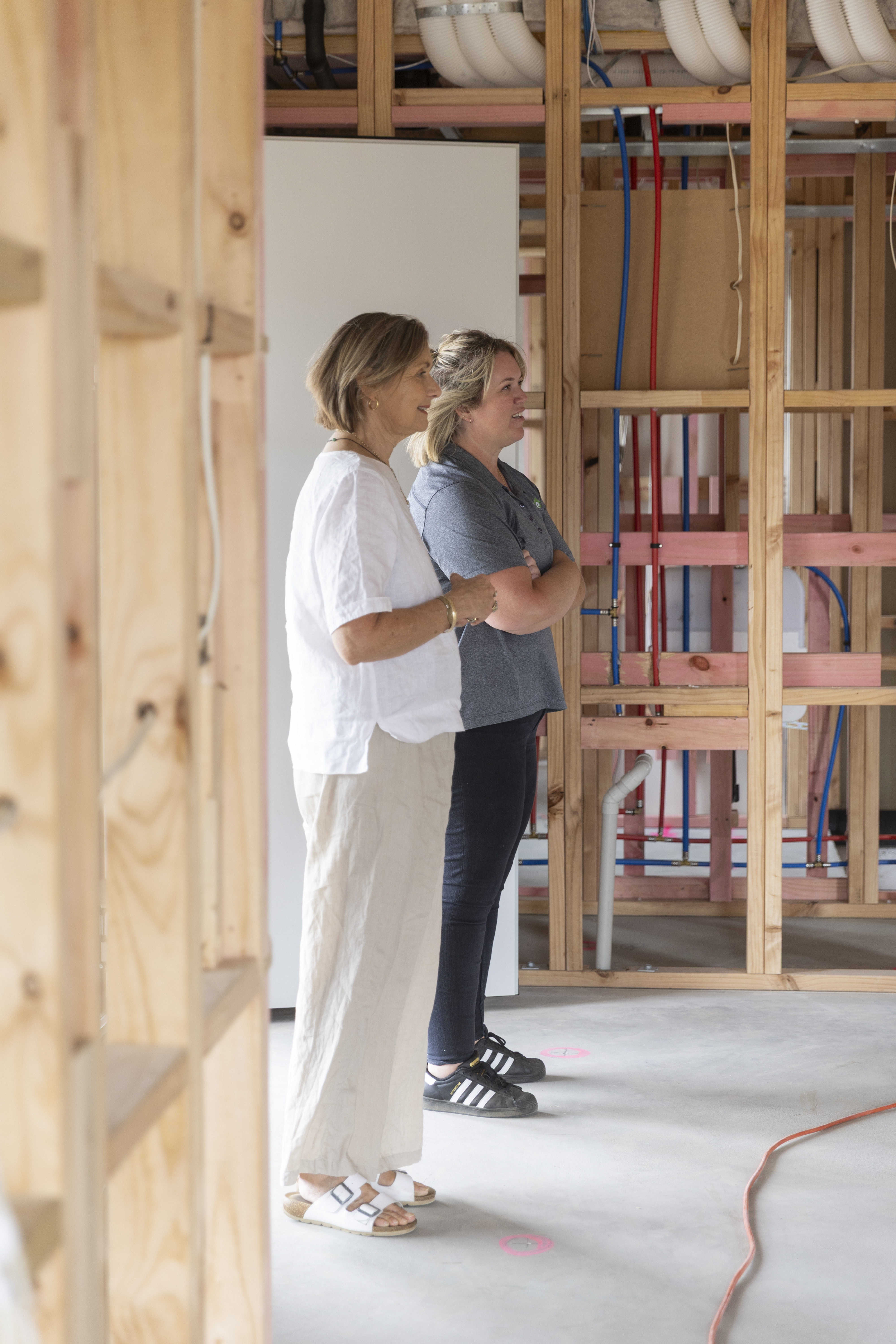
Designing Your Passive House
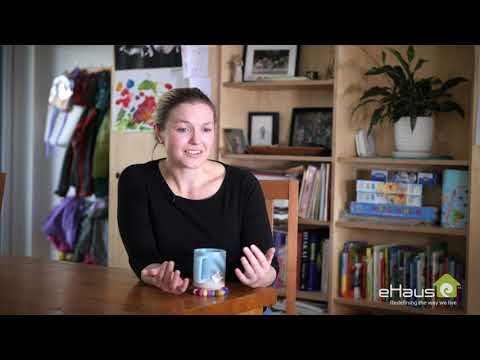
You don’t have to be an expert in Passive House design to enjoy living in one. Nor do all Passive Houses look the same. But, there are some specifc design principles that a Passive House must follow. This may mean compromising on some design features that will detract from its performance.
Your regional build team are there to help align your initial creative ideas with the performance specs and deliver something you’ll love.
Several independent checks along the way help ensure your plans and designs are meeting the right criteria.
Full Technical Specifications
|
Performance Standard
|
eHaus Pacific
|
eHaus Euro
|
Passive House PHI Low Energy
|
Passive House Classic
|
Passive House Plus
|
Passive House Premium
|
PHI Enerphit
|
|---|---|---|---|---|---|---|---|
|
Air Tightness
|
✓
|
✓
|
✓
|
✓
|
✓
|
✓
|
✓
|
|
Super Insulation
|
✓
|
✓
|
✓
|
✓
|
✓
|
✓
|
✓
|
|
Engineered Windows & Doors
|
NZ made eHaus designed windows & doors
|
NZ or European made depending on climate region
|
NZ or European made depending on climate region
|
NZ or European made depending on climate region
|
NZ or European made depending on climate region
|
NZ or European made depending on climate region
|
NZ or European made depending on climate region
|
|
Passive House Approved Filtration System
|
✓
|
✓
|
✓
|
✓
|
✓
|
✓
|
✓
|
|
Mechanical HRV
|
✓
|
✓
|
✓
|
✓
|
✓
|
✓
|
✓
|
|
Individual Design Service
|
✓
|
✓
|
✓
|
✓
|
✓
|
✓
|
✓
|
|
Passive House Certification
|
✗
|
✗
|
PHI Low Energy
|
Passive House
|
Passive House
|
Passive House
|
Passive House
|
|
Space Heating Demand
(per m2 per year)
|
50 kWh/(m2a)
|
15-30 kWh/(m2a)
|
30 kWh/(m2a)
|
15 kWh/(m2a)
|
15 kWh/(m2a)
|
15 kWh/(m2a)
|
25 kWh/(m2a)
|
|
Primary Energy
(per m2 per year)
|
150 kWh/(m2a)
|
120 kWh/(m2a)
|
120 kWh/(m2a)
|
120 kWh/(m2a)
|
60 kWh/(m2a)*
|
30 kWh/(m2a)*
|
120 kWh/(m2a)
|
|
Air Tightness
(ACH n50)
|
2.0 ACH n50
|
0.6-1.0 ACH n50
|
1.0 ACH n50
|
0.6 ACH n50
|
0.6 ACH n50
|
0.6 ACH n50
|
1.0 ACH n50
|
|
Net Zero Lifestyle
|
Optional
|
Optional
|
Optional
|
Optional
|
✓
|
✓
|
Optional
|
|
eHaus Verification
|
✓
|
✓
|
✗
|
✗
|
✗
|
✗
|
✗
|
Learn more about
Passive House
Passive House FAQs and Resources
Learn more about the science and philosophy behind a Passive House, get answers to common questions and see how a build comes together.
Past Projects
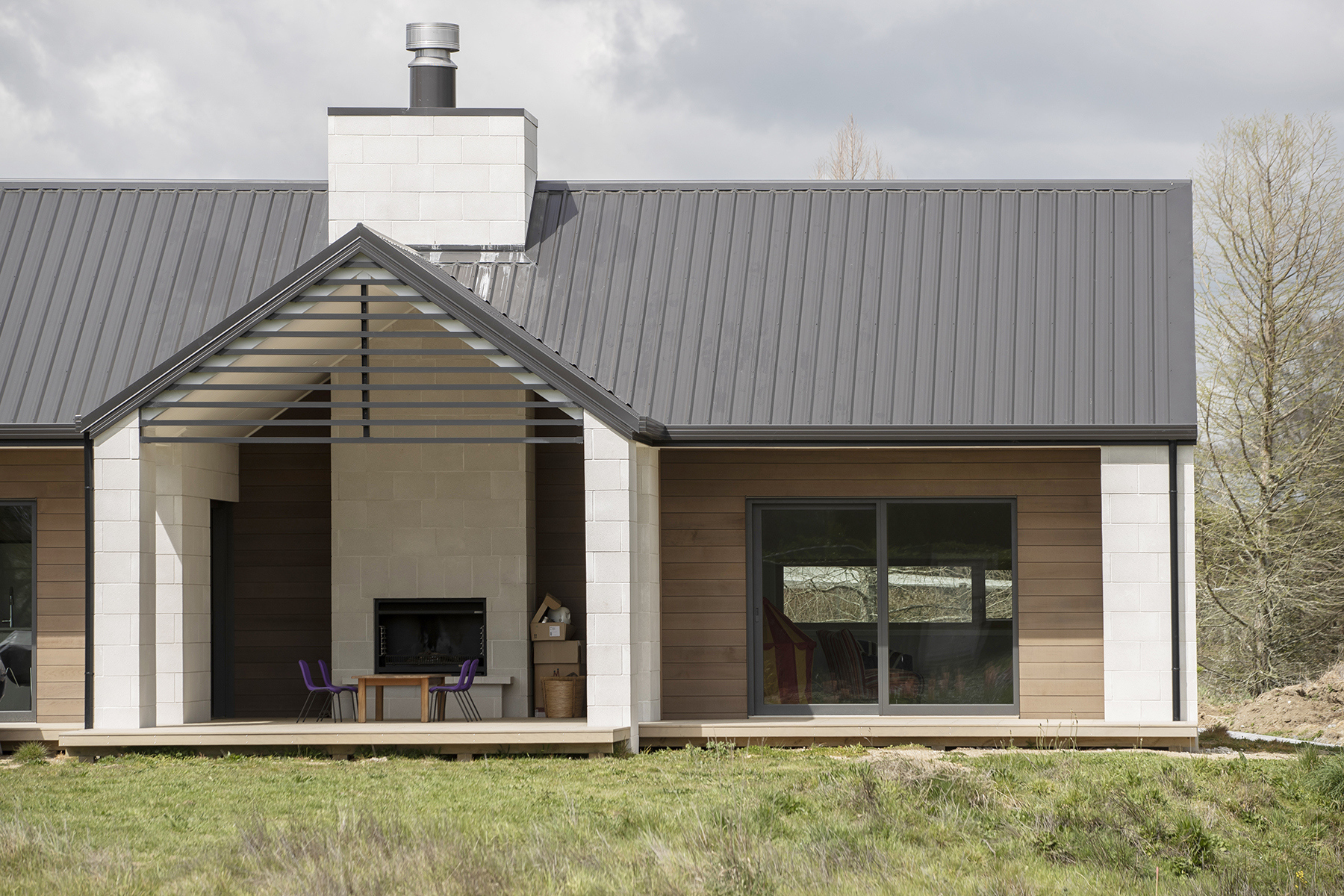
Functional, beautiful and always comfortable, explore certified Passive House projects from around the country.